

HODLing and trading are two very different ways to approach Bitcoin. One focuses on patience and long-term conviction. The other depends on timing, discipline, risk control, and active decision-making.
Both strategies can work for the right person, but both can also go wrong when used without a clear plan. The better question is not simply whether HODLing or trading is “best.” The better question is: which strategy fits your time horizon, risk tolerance, experience, and emotional discipline?
Risk warning: This guide is for educational purposes only and should not be considered financial advice.
What is HODLing?
HODLing means buying Bitcoin and holding it for the long term, even when the market becomes volatile. The term comes from an old Bitcoin forum post where “hold” was famously misspelled as “hodl.” Since then, it has become a shorthand for long-term Bitcoin conviction.
The main appeal of HODLing is simplicity. Instead of trying to predict every short-term price move, a HODLer focuses on Bitcoin’s long-term role as a scarce digital asset. This can reduce stress and make it easier to avoid emotional decisions during sharp market moves.
HODLing may suit people who believe in Bitcoin over many years, do not want to trade actively, and prefer a slower strategy such as buying gradually over time. Many long-term investors combine HODLing with dollar-cost averaging, where they buy smaller amounts at regular intervals rather than trying to guess the perfect entry point.
However, HODLing is not risk-free. Bitcoin has experienced major drawdowns many times. A long-term holder must be mentally prepared for periods where the price falls sharply and stays weak for months or even years. Holding only works if the position size is realistic and the investor does not need to sell during a downturn.
For readers who want a basic explanation of how Bitcoin works, the official Bitcoin.org guide is a useful starting point.
What is Trading?
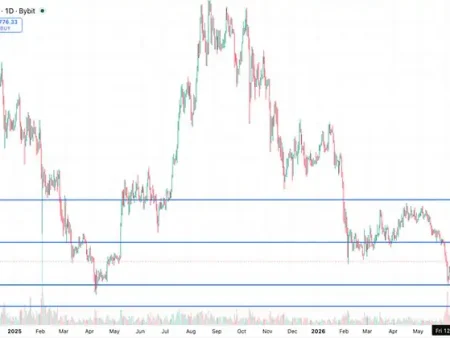
Trading Bitcoin means buying and selling based on market movements. Some traders use technical analysis, macro news, order book data, derivatives positioning, or momentum signals. Others trade around major events, volatility, ETF flows, or changes in market sentiment.
Trading can be attractive because Bitcoin is highly liquid and volatile. Those same qualities also make it dangerous. A trader may win several times and then lose heavily from one poor decision, especially when leverage is involved.
Unlike HODLing, trading requires active attention. Traders need a plan for entries, exits, position sizing, stop losses, risk per trade, and emotional control. Without those elements, trading often becomes guessing.
The biggest mistake many new traders make is confusing activity with skill. Buying and selling frequently does not automatically improve results. In many cases, fees, spreads, taxes, emotional decisions, and poor timing can make active trading worse than simply holding.
Choosing the Right Strategy for You
There is no universal answer. HODLing and trading are built for different personalities and different goals.
| Factor | HODLing | Trading |
|---|---|---|
| Time horizon | Usually years | Minutes, days, weeks, or months |
| Time required | Low once a plan is set | High if done seriously |
| Main skill | Patience and conviction | Timing, risk control, and discipline |
| Emotional challenge | Holding through crashes | Avoiding overtrading and revenge trades |
| Common risk | Panic selling during drawdowns | Losing money through poor timing or leverage |
If your goal is to accumulate Bitcoin over many years and you do not want to watch charts daily, HODLing may fit better. If you enjoy market analysis, can control risk, and accept that losses are part of the process, trading may be more suitable.
Many people also combine both approaches. For example, they may keep a long-term Bitcoin position while using a much smaller amount for active trading. This can reduce the risk of turning the entire portfolio into a short-term bet.
Best Practices for HODLing and Trading
Whichever strategy you choose, the first step is deciding how much risk you can actually handle. Bitcoin is volatile, and no strategy removes that volatility.
For HODLers: A written plan can help. Decide why you are buying, how long you intend to hold, whether you will use dollar-cost averaging, and under what conditions you would reduce your position. Without a plan, a long-term strategy can quickly become emotional during market crashes.
For traders: Risk management matters more than confidence. Every trade should have a defined position size and exit plan. Leverage should be treated with extreme caution because it can amplify losses very quickly. The U.S. SEC has published investor education material about crypto-related risks, which is worth reviewing before taking unnecessary risk. See the SEC crypto asset investor guidance.
For both: Avoid investing money needed for rent, family expenses, taxes, or short-term obligations. Bitcoin can rise quickly, but it can also fall sharply. A strategy only works if you can survive the bad periods without being forced into poor decisions.
Taxes should also be considered. In many countries, frequent trading can create more taxable events than long-term holding. The rules vary widely depending on where you live, so it is worth checking with a qualified tax professional before assuming one strategy is simpler than the other.
Conclusion
HODLing and trading are both valid Bitcoin strategies, but they require very different mindsets.
HODLing is usually better suited to patient investors who believe in Bitcoin’s long-term potential and do not want to react to every short-term move. Trading may suit people with more experience, more time, stronger emotional control, and a clear risk management process.
The worst strategy is not HODLing or trading. The worst strategy is acting without a plan, changing approach during panic, using too much leverage, or risking money you cannot afford to lose.
Before choosing a Bitcoin strategy, be honest about your goals, time horizon, knowledge level, and temperament. The right approach is the one you can follow consistently when the market becomes uncomfortable.
Disclaimer: Crypto is extremely volatile and not suitable for everyone. Never speculate with money you cannot afford to lose. This article is for educational purposes only and should not be considered investment, tax, or financial advice.