

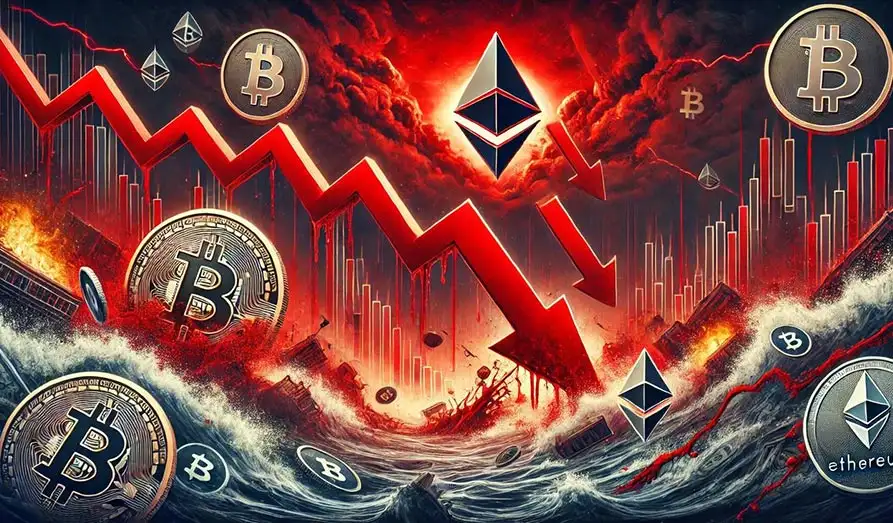
Bitcoin and altcoins can fall sharply for many reasons at once: exchange hacks, leverage liquidations, regulatory uncertainty, macroeconomic pressure, weak sentiment and panic selling. Crypto crashes rarely have one single cause.
Updated July 2026. This article was originally written after a sharp crypto sell-off in February 2025 and has been updated with broader context and lessons for future market crashes.
Crypto markets can feel calm for weeks and then suddenly turn violent. Prices fall quickly, liquidations accelerate, social media turns negative, and traders start asking the same question: why did Bitcoin and altcoins crash?
The answer is usually a mix of factors. One bad event can start the move, but leverage, fear, poor liquidity and macro concerns often make the sell-off much worse.
Go directly to
- 1 Why Do Crypto Markets Crash?
- 2 What Happened During the 2025 Crypto Sell-Off?
- 3 What Happened with Crypto Prices Overnight?
- 4 Do Crypto Crashes Increase Gambling Activity?
- 5 Why Leverage Makes Crypto Crashes Worse
- 6 What Role Does Fear Play?
- 7 Are Casino Games a Smart Response to a Crypto Crash?
- 8 Light at the End of the Tunnel?
- 9 Final Thoughts
Why Do Crypto Markets Crash?
Crypto crashes usually happen when several risks hit the market at the same time. A hack, regulatory headline or macroeconomic shock can damage confidence, but the sharpest moves often come when leveraged traders are forced to close positions. See some of the most typical crash drivers below:
| Crash Driver | How It Affects Crypto Prices |
|---|---|
| Leverage | Forced liquidations can turn a normal pullback into a fast crash. |
| Exchange hacks | Large security incidents can reduce trust and trigger selling. |
| Regulation | Unclear rules or enforcement actions can scare investors away from risk assets. |
| Macro pressure | Higher rates, inflation worries or weaker stock markets can reduce appetite for crypto. |
| Investor psychology | Fear can spread quickly when traders see red candles, falling volume and negative headlines. |
What Happened During the 2025 Crypto Sell-Off?
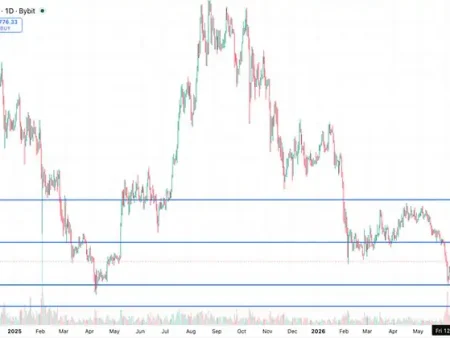
The February 2025 sell-off was a good example of how several risks can arrive at once. The market had already become more nervous after a period of lower volatility. Then several negative stories appeared close together, including the Bybit hack, broader regulatory concerns, macroeconomic uncertainty and renewed worries about speculative meme coin activity.
Chainalysis reported that the Bybit exchange hack involved around $1.5 billion in stolen crypto assets, making it one of the largest security incidents in crypto history. You can read the Chainalysis breakdown of the Bybit exchange hack here.
The Associated Press also reported on controversy around an Argentinian meme coin scandal, which added to concerns about speculation, insider activity and weak investor protection in parts of the crypto market. You can read the AP coverage of the Argentina meme coin controversy here.
None of these factors alone explains every move in the market. Together, however, they helped create the kind of negative environment where traders reduce risk quickly.
What Happened with Crypto Prices Overnight?
During the February 2025 sell-off, several major cryptocurrencies fell sharply in a short period. Bitcoin, Ethereum, Solana, Litecoin and Dogecoin all saw notable declines as risk appetite weakened and traders reacted to negative headlines.
Short-term price snapshots become outdated quickly, so the more useful lesson is not the exact daily percentage move. The lesson is how quickly crypto markets can reprice when confidence disappears.
| Asset Type | Typical Behaviour During Crashes |
|---|---|
| Bitcoin | Usually falls first, but often holds up better than smaller altcoins. |
| Ethereum | Often follows Bitcoin but can be affected by DeFi and staking-related sentiment. |
| Large-cap altcoins | Can fall faster than Bitcoin when traders reduce risk. |
| Meme coins | Usually among the most volatile during market stress. |
| Low-liquidity tokens | Can suffer very sharp moves because there are fewer buyers during panic. |
When the market is falling, liquidity can disappear quickly. That means even moderate selling pressure can cause large price moves, especially in smaller tokens.
Do Crypto Crashes Increase Gambling Activity?
During major crypto downturns, some players may become more interested in Bitcoin casinos and other crypto gambling sites. This does not mean gambling is a sensible way to recover investment losses. In fact, trying to win back losses quickly can increase risk and lead to poor decisions.
Still, there are several reasons why some crypto users become more active around casinos during volatile periods:
| Reason | What It Means |
|---|---|
| Entertainment | Some players look for distraction when markets are stressful. |
| Risk tolerance | Crypto traders may already be comfortable with high-risk environments. |
| Crypto balances | Some users already hold BTC, LTC, ETH or USDT and can deposit directly. |
| Fast payments | Crypto casinos can offer quick deposits and withdrawals when operated responsibly. |
The important point is that gambling should never be treated as a recovery strategy after an investment loss. Casino games carry a house edge, and players should only gamble with money they can afford to lose.
Why Leverage Makes Crypto Crashes Worse
Leverage is one of the most important reasons crypto crashes become so violent.
When traders use borrowed funds to increase position size, small price moves can trigger forced liquidations. When enough liquidations happen at once, selling pressure increases and prices can fall even faster.
This creates a feedback loop:
| Step | What Happens |
|---|---|
| 1 | Bitcoin or another major asset starts falling. |
| 2 | Leveraged long positions approach liquidation levels. |
| 3 | Exchanges force-sell positions to cover losses. |
| 4 | Forced selling pushes prices lower. |
| 5 | More traders are liquidated, creating another wave of selling. |
This is why crypto markets can sometimes fall much faster than traditional markets. The structure of perpetual futures, high leverage and 24/7 trading can make downturns more intense.
What Role Does Fear Play?
Fear is not just an emotion in crypto markets. It can become a market force.
When prices fall quickly, traders often check sentiment indicators, social media, exchange flows and news headlines. If everything looks negative at the same time, more investors may sell or reduce exposure.
The CNN Fear & Greed Index is one tool some investors use to understand broader market psychology. You can check the current reading from CNN Business here.
Fear does not always mean a bottom is close. Markets can stay fearful for longer than expected. But extreme fear often tells us that investors are already under stress and that many weak hands may have sold.
Are Casino Games a Smart Response to a Crypto Crash?
No. Casino games should not be used as a way to recover trading losses.
That said, some crypto holders do use Bitcoin casinos for entertainment, especially when markets are moving sideways or when they want to use small amounts of crypto rather than convert back to fiat.
The safest approach is to treat casino play as entertainment only. Players should understand house edge, volatility and the risk of losing their full balance.
| Game Type | What Players Should Know |
|---|---|
| European Roulette | Simple rules and a typical house edge of 2.70%. |
| Lightning Roulette | Higher volatility due to multipliers and reduced standard payouts. |
| Crash Games | Fast rounds and high risk if players chase losses. |
| High-RTP Slots | RTP is theoretical and does not guarantee short-term results. |
Crypto Lists reviews Bitcoin casinos, crypto casino games and deposit methods, but no casino should be presented as a solution to market losses.
Light at the End of the Tunnel?
Crypto crashes can feel dramatic in the moment, but large corrections are not unusual during bull markets. Bitcoin has experienced several major pullbacks in previous cycles before continuing higher, although past performance never guarantees future results.
The key question is whether the crash is caused by temporary stress or a deeper change in market structure.
Temporary stress may include:
| Temporary Pressure | Possible Market Impact |
|---|---|
| Leverage flush | Can reset positioning and reduce excessive speculation. |
| Short-term panic | May create sharp but temporary selling pressure. |
| Hack-related fear | Can fade if contagion risk remains limited. |
| Macro uncertainty | Can improve if inflation, rates or liquidity expectations shift. |
More serious warning signs include falling liquidity, repeated exchange failures, worsening regulation, weak institutional demand or major stablecoin problems.
The best response is usually not panic. Investors and crypto users should check facts, reduce excessive risk, avoid leverage they do not understand, and avoid trying to recover losses through emotional decisions.
Final Thoughts
Bitcoin and altcoins rarely crash because of one isolated event. More often, several pressures build at the same time: leverage, hacks, regulatory fears, macro uncertainty and investor psychology.
The February 2025 sell-off showed how quickly sentiment can shift when several negative events arrive together. It also showed why crypto users should separate investment decisions from entertainment decisions.
Crypto casinos may see increased interest during volatile markets, but gambling should never be treated as a way to recover trading losses. The smarter lesson from crypto crashes is to understand risk, avoid excessive leverage, verify information carefully, and never let panic make decisions for you.
Crypto volatility can create opportunity, but it can also punish careless risk-taking. Know the difference before you act.